
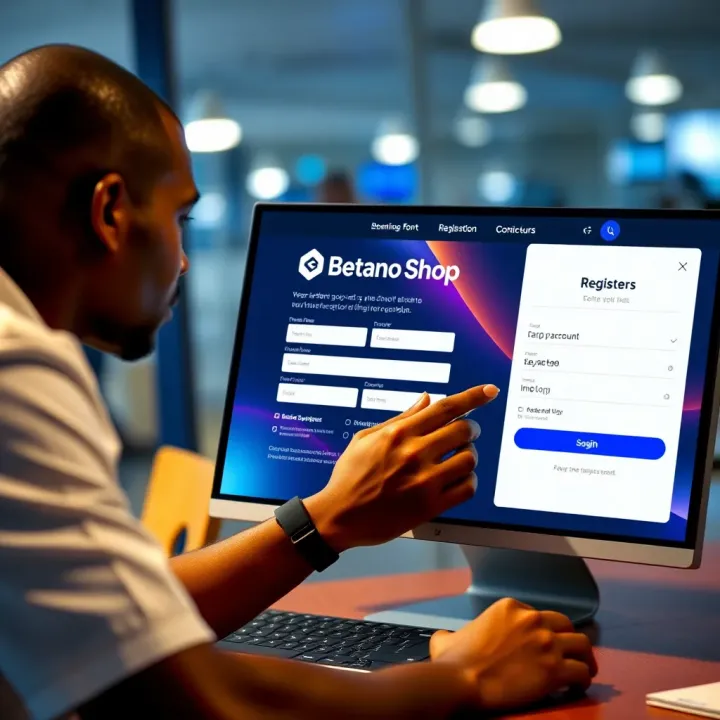
How to Register and Log In to Betano Shop Nigeria
🎯 Learn how to register and successfully log in to Betano Shop Nigeria. Step-by-step guide including troubleshooting and security tips to protect your account.
Old Shop Betano stands as a strong name in Nigeria’s informal retail sector, particularly among sports bettors and enthusiasts. Its history dates back to the early 2000s, beginning as a modest kiosk in Lagos where local sports lovers could place bets on football matches. Over time, it evolved into a widely recognised brand serving diverse boroughs, especially in South West Nigeria.
The shop’s foundation was built on personal trust and deep knowledge of local sports trends. Early customers appreciated the personalised advice and quick updates on match odds, which gave Old Shop Betano an edge over bigger, more corporate sportsbooks that lacked local flavour. This grassroots approach gave the shop a unique position in the betting ecosystem.
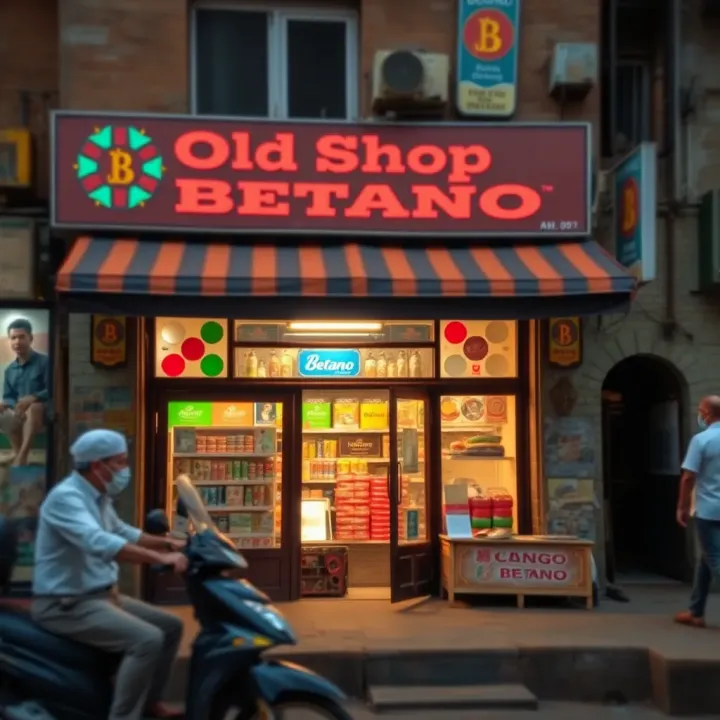
From small beginnings, Old Shop Betano expanded its operations to include several physical outlets and a network of agents spread across Lagos and neighbouring states. This growth was largely fueled by Nigeria’s growing appetite for football betting, especially during the 2010s when platforms like Bet9ja exploded in popularity. However, unlike many newer players, Old Shop Betano maintained an informal model tailored to customers who preferred visits over apps.
The shop adapted cleverly to seasonal market changes, notably the ember months when sports betting activity surges due to festive celebrations and major football tournaments. This period demanded rapid stock and service adjustments, which Old Shop Betano handled by increasing staff and updating betting odds frequently to meet demand.
That said, challenges surfaced along the way. The rise of mobile betting apps meant more competition, while regulatory shifts introduced hurdles in licensing and operational transparency. Still, Old Shop Betano’s commitment to customer engagement and community presence helped it stay relevant.
For many Nigerian bettors, Old Shop Betano represents more than just a place to bet; it’s a trusted hub where passion for football meets informed betting.
Origin: Started as a local betting kiosk in Lagos in the early 2000s.
Growth: Expanded to multiple outlets and agent networks across South West Nigeria.
Customer Focus: Known for personalised tips and reliable updates on match odds.
Adaptability: Adjusted quickly to high-demand ember months and major football seasons.
Challenges: Faced stiff competition from digital platforms and navigated evolving regulations.
This background sets a foundation for understanding how Old Shop Betano fits into Nigeria’s dynamic sports betting landscape and how it continues to evolve amid changing market demands.
Understanding the origin and establishment of Old Shop Betano is key to appreciating its role in Nigeria's informal retail market. This section sheds light on how Betano began and the foundation it laid for growth, giving readers a clear perspective on its lasting relevance. Knowing the starting point explains how the shop adapted to changing consumer demands and market conditions over time.
Old Shop Betano was founded in the late 1980s by a local entrepreneur in Lagos. The first products were basic household supplies and fast-moving consumer goods such as cooking oil, sugar, soaps, and salt. These items catered largely to everyday needs, especially for families in nearby neighbourhoods.
From the beginning, Old Shop Betano positioned itself as affordable and accessible, meeting the demand for essentials that many formal supermarkets did not adequately provide at the time. The founder’s deep knowledge of local preferences helped tailor the initial product selection. For example, palm oil and locally sourced dried fish were added early on to reflect Nigerian tastes.
The shop opened along a busy corridor in Lagos Mainland, close to both residential areas and informal transport hubs where okadas and danfos gathered. This location attracted diverse customers, from market traders to civil servants, ensuring steady foot traffic.
Early patrons appreciated the convenience of buying everyday goods without travelling far, especially given typically congested routes in Lagos. The shop often became a social spot where neighbours would meet and exchange local news alongside their purchases.
The strategic placement of Old Shop Betano near public transport points helped build a loyal customer base early on, which supported its transition from a small convenience outlet to a well-known retail player.
This local grounding provided a stable foundation, crucial amid Nigeria’s economic fluctuations. Over time, the shop’s early focus on essentials and community needs created trust that fuels its operations even today.
With these roots firmly set, Old Shop Betano began preparing for expansion and diversification, adapting as the Nigerian market evolved. Understanding its origin reveals not only the shop’s business model but also its connection to the people it serves.

Over the years, Old Shop Betano has grown from a small local outlet into a notable player in Nigeria's informal retail landscape. This expansion reflects both its ability to respond to changing customer needs and the broader economic realities of a dynamic market. The growth is not just about physical size but also the variety of products and services the shop now offers, along with improved business practices that have helped it stay competitive.
Initially, Old Shop Betano focused on a limited range of fast-moving consumer goods, mostly food items and household essentials. However, recognising the shifting demands of its clientele, the shop began diversifying its product range. For example, it introduced mobile airtime recharge cards and accessories, catering to the rising mobile phone usage across Nigeria. This strategic move helped attract a younger customer base and increased foot traffic.
Additionally, during ember months and festive seasons, the shop stocks seasonal goods such as suya spices, aso ebi fabrics, and party favours to meet celebration needs. This diversification provides not only convenience to customers but also improves the shop's revenue streams during traditionally busy periods.
Old Shop Betano also embraced new business methods to keep pace with modern retail trends. One practical change was the adoption of digital payment options like QR codes linked to popular Nigerian fintech apps such as OPay and Paystack. This shift reduced cash handling risks and sped up transactions, especially for younger customers who prefer cashless payments.
The shop also introduced better stock management and record-keeping systems. Instead of relying solely on manual ledgers, the management started using simple digital tools for inventory tracking, helping to avoid stock-outs and reduce losses from expired goods. Such improvements enhanced operational efficiency significantly.
By integrating tech solutions and widening their product offerings, Old Shop Betano has maintained its foothold in a market crowded with both traditional traders and modern retail outlets.
In summary, the expansion of Old Shop Betano is a story of adaptation and resilience. Its product diversification and willingness to adopt new business practices illustrate how the shop continues to meet Nigerian consumers’ evolving preferences, securing its relevance in the informal retail sector despite growing competition.
Old Shop Betano holds a significant place in Nigeria's informal retail sector, influencing both local economies and the daily lives of many citizens. Its role extends beyond simple trading, touching employment, community support, and the dynamics of small-scale commerce across various regions.
Old Shop Betano has been a steady source of job creation, employing a mix of full-time staff and casual workers throughout its outlets. In Lagos alone, the shop has provided direct jobs to over 150 individuals, many of whom come from surrounding communities. Besides staff employment, the shop supports micro-entrepreneurs who rely on purchasing goods in bulk for resale.
This role is crucial, especially as Nigeria's formal sector job opportunities remain limited. By keeping a steady cash flow and circulation of goods, Old Shop Betano contributes to the broader local economy. It purchases products from local manufacturers and distributors, adding value while stimulating demand for Nigerian-made items. Notably, during the ember months, when consumer demand surges, the shop ramps up operations, thereby supporting temporary employment and boosting components of the supply chain.
Perhaps one of the most practical aspects of Old Shop Betano's operations is its support for small-scale traders. Many independent sellers, including market women and roadside vendors, depend on the shop for affordable stock and flexible credit terms. By offering goods in smaller quantities without the strict requirements typical of mainstream distributors, Old Shop Betano fills a gap that formal chains may overlook.
Moreover, the shop's presence often extends into informal markets where banks and formal lending institutions hesitate to operate. This support allows numerous traders to sustain their businesses without crippling upfront costs. For example, in markets like Balogun in Lagos and Ariaria in Aba, stands aligned with Old Shop Betano's supplies can be found, indicating the shop's reach into grassroots trading.
Old Shop Betano acts as an informal backbone, bridging the gap between large-scale manufacturers and everyday Nigerian buyers, especially within the informal economy.
This involvement nurtures a cycle of commerce that helps many Nigerians maintain livelihoods and keeps local markets vibrant. Such backing also indirectly aids sports bettors and analysts who frequent the shop for quick access to local news, results, and betting updates – highlighting the shop's embeddedness not just as a retail player but a community hub.
In summary, the role of Old Shop Betano in the Nigerian market is multifaceted, mixing economic contribution with social impact. Its integration into the informal sector and support for local traders underpins its lasting influence in Nigeria's trading ecosystem.
Old Shop Betano’s journey hasn’t been without its share of hurdles. Understanding these challenges provides insight into the resilience of this retail business and highlights how it continues to navigate Nigeria’s dynamic market environment. From competition to regulatory shifts, the obstacles faced have shaped the shop's strategies and its role in the informal economy.
The arrival of modern retail outlets and supermarket chains posed significant competition to Old Shop Betano. Large stores like Shoprite, Spar, and local chains offer a wider product range, often with cleaner, air-conditioned environments and loyalty programmes that appeal to Nigeria’s growing middle class. For example, many young Lagosians now prefer shopping in malls where there is perceived reliability and convenience, which draws customers away from traditional shops.
Old Shop Betano had to counter this by emphasising personalised service and catering to the informal sector, a group under-served by the bigger outlets. While supermarkets mostly target urban middle-income earners, Betano's affordability and product selection remain attractive to many lower-income customers and small traders who rely on smaller bulk purchases.
Nigeria’s infrastructure challenges directly affect Old Shop Betano’s operations. Frequent power outages mean relying on generators, which inflate operating costs due to fuel expenses. During fuel scarcity periods, such as the ember months, running costs spike considerably, forcing the shop to raise prices or limit stock.
Supply chain difficulties also disrupt product availability. For instance, poor road conditions delay deliveries from suppliers, especially those coming from northern markets or ports. Seasonal floods or heavy rains can sever access routes, leading to shortages of staple goods. Additionally, fluctuating naira exchange rates impact the cost of imported items, influencing prices and stock sourcing decisions.
Regulatory shifts by government agencies can be a double-edged sword for Old Shop Betano. Changes in taxation policies, such as new VAT implementations or local levies, increase overheads. Moreover, efforts to formalise the informal sector through tighter licensing and business registration processes mean more paperwork and compliance costs.
Market changes, like the rise of digital financial services and online betting platforms, also require adaptation. Old Shop Betano had to embrace digital payments and USSD codes to stay relevant and secure transactions. However, regulatory uncertainties around betting licenses and digital commerce create an unpredictable environment that demands constant vigilance.
Despite these challenges, Old Shop Betano’s ability to adapt through community trust, flexible pricing, and partial digital integration shows its determination to remain a trusted player in Nigeria’s retail and informal betting landscape.
The shop’s story reflects the broader realities facing informal businesses in Nigeria, balancing tradition with the pressures of modern commerce and regulation.
Old Shop Betano's survival and growth hinge greatly on embracing digital tools and anticipating future market trends. As Nigeria's retail environment shifts towards tech-driven solutions, adapting ensures the shop stays competitive and relevant to both longtime patrons and younger customers familiar with online transactions.
Integrating digital payment options has become essential for retail businesses, especially in bustling Nigerian markets. Old Shop Betano's use of platforms like Paystack and Flutterwave allows customers to pay effortlessly using bank cards, mobile wallets, or USSD codes, reducing long queues and enhancing security. For instance, introducing POS terminals and accepting mobile money encourages prompt transactions, even from customers who don’t carry cash. This flexibility is crucial during ember months when sales peak, and quicker payment processing keeps customer flow steady.
Beyond payments, moving some operations online through social media or dedicated e-commerce sites opens new sales channels. Old Shop Betano could showcase inventory on platforms like Instagram or Jumia Nigeria, enabling customers to browse and order from the comfort of home. This gradual digital transformation matches the Nigerian market’s increasing appetite for convenience, especially among urban youth.
Looking ahead, Old Shop Betano stands to gain by upscaling its digital footprint and modernising logistics. Incorporating inventory management software will help track stock levels more efficiently and avoid both overstock and shortages. Streamlined supply chains mitigate losses linked to Nigeria's notorious infrastructural challenges, such as road conditions affecting deliveries.
Also, exploring partnerships with delivery services like Bolt or Uber Nigeria can extend the shop’s reach beyond its physical location. This means customers in Lagos mainland or even suburban areas can access products without the usual traffic hassles.
On a broader scale, investing in data analytics will allow the business to understand customer buying patterns and tailor its product range to emerging preferences. Such insights can sharpen marketing efforts and reduce the typical waste experienced in informal retail.
Digital adaptation is no longer optional but a necessity for retail players like Old Shop Betano. Those who prepare for the future today will command loyalty and market share tomorrow.
In summary, Old Shop Betano’s digital shift merges convenience, security, and market growth. Incorporating payment technologies and online presence builds customer confidence and expands access. Meanwhile, modernising back-end operations enhances efficiency, positioning the shop favourably in Nigeria’s evolving retail scene.
🎯 Learn how to register and successfully log in to Betano Shop Nigeria. Step-by-step guide including troubleshooting and security tips to protect your account.
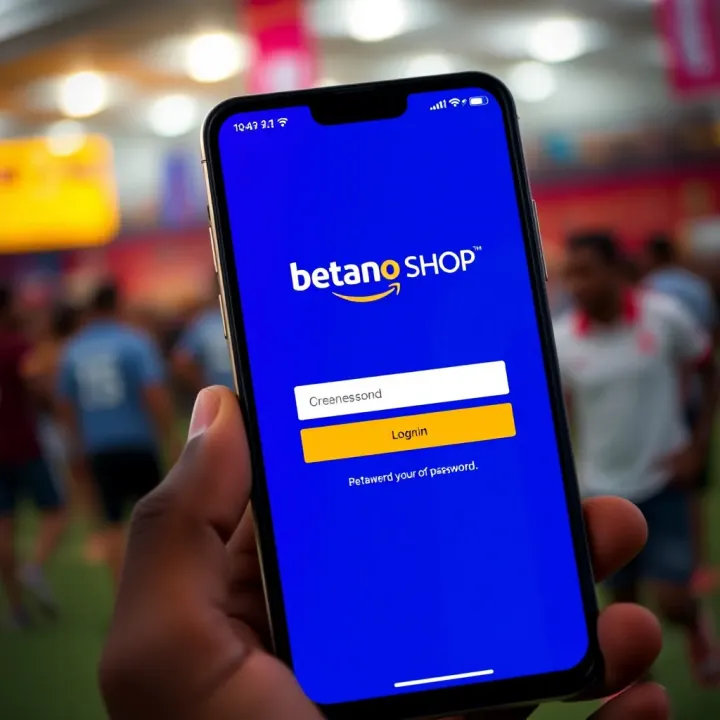
📱 Learn how to login seamlessly into Betano Shop mobile for quick betting access. Solve common login issues, keep your account secure, and enjoy easy management on the go in Nigeria.

📞 Need help with Shop Betano in Nigeria? Learn how to contact them securely for betting, payments, or questions. Get quick support and clear steps here!

Learn how to easily access and log into Betano old mobile lite in Nigeria 📱⚽. Get clear steps, solve login issues, and bet safely with simple tips 🇳🇬.
Based on 12 reviews