
Betano Shop Mobile Login Guide for Nigerian Users
📱 Learn how to login seamlessly into Betano Shop mobile for quick betting access. Solve common login issues, keep your account secure, and enjoy easy management on the go in Nigeria.
Edited By
Ngozi Uche
Betano Mobile Shop has grown steadily as a trusted name among mobile phone sellers across Nigeria, especially for those searching for budget-friendly devices. Located in busy commercial hubs like Lagos and Abuja, Betano offers a mix of new and used phones, catering to the high demand for affordable tech in a market often priced beyond the reach of the average Nigerian.
When you think about buying an old or second-hand mobile phone from shops like Betano, it’s important to approach with clear steps to avoid common pitfalls. The Nigerian market for used phones — often called 'tokunbo' devices — is vibrant but requires savvy to get genuine value.
Check the IMEI number: Always verify the International Mobile Equipment Identity (IMEI) to confirm the phone isn’t stolen or blacklisted by Nigerian authorities or network providers.
Battery health: Older phones often suffer battery wear, which reduces performance. Ask if the battery has been replaced recently or test battery life yourself.
Physical condition: Look out for screen cracks, swollen batteries, or damaged charging ports. These might add cost later for repairs.
Warranty and return policy: Reputable shops like Betano usually offer at least a short warranty or option for exchange.
Prices for old phones at Betano Mobile Shop can range from as low as ₦10,000 for basic feature phones to ₦80,000 or more for popular second-hand smartphones such as Samsung Galaxy or Tecno Camon models. The key is balancing price with reliability.
You can also negotiate at physical shops and online platforms like Jiji.ng or OLX, but in-person visits let you test the phone fully before payment.
Remember, buying second-hand in Nigeria is becoming smarter with more options and information available. Shops like Betano strive to build customer confidence through genuine devices and reasonable pricing.
Besides physical stores, many now trust certified online retailers and fintech platforms offering refurbished phones with verified quality checks. Services like Konga and Jumia also stock such devices with buyer protection.
In summary, while Betano Mobile Shop remains a solid choice for those on a budget, combining your purchase with due diligence on device condition and seller credibility ensures you get the best phone for your naira.
Betano Mobile Shop plays a key role in Nigeria's mobile phone retail sector, especially for buyers interested in both new and second-hand devices. Understanding Betano’s history, presence, and offerings helps consumers make informed choices when shopping for mobile phones in Nigeria. Given the wide diversity of brands and varying quality in the Nigerian market, knowing what Betano provides brings clarity and builds trust.
Betano Mobile Shop started as a modest venture focused on supplying affordable mobile phones to Lagos residents. Over the years, it grew steadily by tapping into local demands for reliable devices at reasonable prices. This growth is practical for many Nigerians who want quality phones without the sky-high prices of imported new devices.
Today, Betano has outlets in major cities such as Lagos, Abuja, Port Harcourt, and Kano, making its mobile devices and services accessible to a broad customer base. This geographic spread ensures that customers beyond the commercial hubs have access to quality products without the hassle of long-distance travel or risk of fake or damaged phones from roadside sellers.
In retail, Betano balances selling popular new models and refurbished phones, filling a vital gap in the market where affordability meets quality. This mix offers Nigerians variety depending on their budget and preferences.
Betano stocks a variety of new mobile devices from brands like Tecno, Itel, Infinix, and Samsung. These brands are popular for their affordability, ease of repair, and compatibility with Nigerian network providers such as MTN and Glo. This variety means customers can pick phones tailored to different budgets and needs, whether it is a basic smartphone or a more advanced model with better camera capabilities for social media use.
Accessories are a significant part of Betano’s inventory. Shoppers can find chargers, screen protectors, phone cases, and earphones — all important for maintaining and customising their phones. Betano also offers repair services, such as screen replacements and battery servicing, which many customers appreciate to extend the life of their devices.
Besides selling phones and accessories, Betano provides helpful additional services. For instance, customers can get software updates at the shop to keep their phones running smoothly. Also, flexible payment options or financing plans sometimes available let people spread payments instead of paying the full amount upfront, which is a big benefit given the economic challenges many face.
Betano Mobile Shop’s presence and services make it a practical choice for Nigerians looking to buy new or used phones with confidence and reliable after-sales support.
The market for old or second-hand mobile phones in Nigeria plays a significant role in meeting the demand for affordable and accessible mobile technology. Understanding this market helps buyers make smarter decisions and avoid common pitfalls. Many Nigerians depend on used phones due to economic realities, availability of preferred models, and trusted sources like shops and marketplaces.
The high cost of brand-new smartphones often puts them out of reach for a large segment of the population. Many people, especially students, entry-level workers, and traders, look for cheaper alternatives that still offer good functionality. Buying a second-hand phone costing ₦30,000 to ₦50,000 can be much easier than affording a new handset priced upwards of ₦100,000. This sensible approach helps stretch limited budgets while staying connected.
Some Nigerians prefer tried-and-tested phone models which are no longer sold new but maintain strong popularity because of their reliability or features. For instance, older Samsung Galaxy phones or iPhone versions like the iPhone 7 or 8 remain in high demand, especially when software updates and accessories remain available. Fans of these models can easily find used versions that meet their expectations without the premium price on brand-new releases.
Second-hand phones circulate widely at both formal mobile shops and informal markets. Shops like Betano Mobile offer certified used devices with some warranty, catering to buyers who want peace of mind. Conversely, open markets and street vendors provide diverse options but with a higher risk, requiring buyers to be extra cautious. The varied availability means buyers can choose options suiting their budget and risk tolerance.
Formal mobile shops such as Betano serve as reliable sources for used phones, often selling verified, refurbished devices with return policies. These shops conduct quality checks and may offer limited warranties, helping customers avoid faulty handsets. Their sales staff usually provide technical advice and support, creating safer buying conditions compared to informal channels.
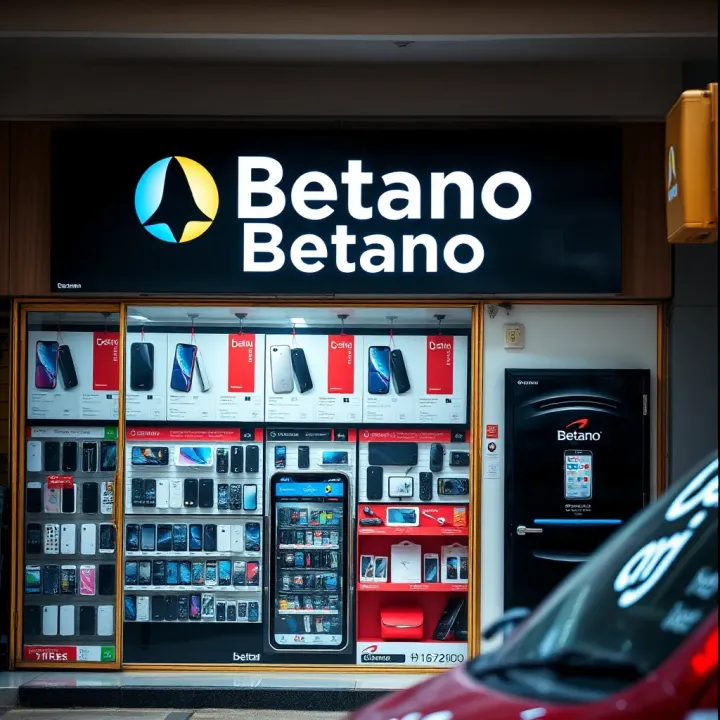
Despite risks, many Nigerians still buy second-hand phones from street vendors and bustling markets like Computer Village in Lagos. These venues offer extensive choices in price and model but require buyers to inspect devices carefully. Haggling is expected, and buyers must test key functions onsite to avoid fraud. While cheaper, this source demands knowledge and caution.
Platforms like Jumia, OLX, and social media groups have grown as places to find used phones, thanks to convenience and wider options. However, online purchases carry risks of scams, fake listings, or receiving damaged goods. Buyers should always deal with reputable sellers, confirm product details, and arrange for inspection before payment. Secure payment methods and buyer protections help reduce losses.
Understanding where and why Nigerians buy old mobile phones equips you to navigate the market confidently, balancing cost savings with reliability. Whether through trusted shops such as Betano or cautious exploration of informal and online sources, knowledge is your best tool for a smart purchase.
When buying old or second-hand mobile phones in Nigeria, assessing their quality is vital to avoid wasting your hard-earned money. With so many devices flooding the market—from mobile shops like Betano to street vendors—knowing exactly what to check can save you from unexpected expenses or frustration later. Let’s focus on the practical aspects that matter most when evaluating a used phone.
Battery performance is often the first sign of an old phone’s condition. A battery that drains quickly or doesn’t charge properly hints at deep-rooted problems. When testing, check how fast the battery percentage drops during normal use, and observe if the device overheats while charging. For example, a well-functioning 2-year-old phone should usually hold charge for at least 6-8 hours under regular use, depending on the model. Asking the seller about any previous battery replacements can also give you clues.
Scratches, cracks, or dead spots on the screen affect not just the phone’s look but how you use it daily. Always inspect the screen under good lighting for blemishes, uneven colours, or flickering. Moreover, test the touchscreen responsiveness by swiping, opening apps, or typing. A touchscreen that lags or misses taps could signal hardware faults or water damage. For instance, users of cheap imported tokunbo phones often complain about erratic touchscreens, which reduce productive use.
Physical damage goes beyond superficial dents or scratches. Look out for signs like loose buttons, gaps between casing parts, or unusual colours that might indicate a poorly repaired phone. Authenticity is equally critical. Fake or tampered devices, particularly popular brands like Samsung or Tecno, circulate widely in Nigeria’s second-hand market. Checking the IMEI number against the manufacturer’s database and ensuring the phone powers on normally are essential steps.
Old phones often hide underlying issues that crop up shortly after purchase—like malfunctioning cameras, weak speakers, or faulty microphones. Repair costs in Nigeria can add up quickly, especially for imported parts. For example, replacing a screen on a mid-range smartphone in Lagos could cost ₦15,000 to ₦25,000. Buyers must anticipate these potential expenses and weigh them against the phone’s asking price.
The Nigerian market faces a steady flow of counterfeit phones designed to look like high-end models. These usually feature substandard parts, poor software updates, and low durability. Tampered devices—phones previously damaged and doctored to appear new—also pose problems. Their compromises can range from disabled features to shortened lifespan. Purchasing from trusted outlets like Betano Mobile Shop can reduce this risk significantly.
One big drawback with old or second-hand phones in Nigeria is the limited or no warranty coverage. Many sellers offer no guarantees, and manufacturers often refuse repairs for devices outside official channels. This means once the phone begins acting up, you’re typically on your own to find repairs or replacement parts, which can prove costly or difficult. Where possible, seek shops that provide a limited warranty or return policy to protect your purchase.
Checking a used phone thoroughly before buying can save you both money and headache, especially in a market as vibrant and unpredictable as Nigeria’s.
Taking time to assess these key quality factors pays off—helping you find a second-hand phone that’s reliable and worth your naira.
Betano Mobile Shop plays a significant role in supporting buyers of old mobile phones by providing services tailored to the specific challenges of the second-hand market. Nigerian tech buyers face many risks, such as faulty devices, fake phones, or unfair pricing. Betano addresses these issues with clear practices and customer-focused policies that build trust.
Betano Mobile Shop ensures the phones sold as used are properly verified to reduce chances of buyers getting faulty or counterfeit devices. Each phone goes through a verification process where the phone’s IMEI number is checked against fraud lists, and its basic functionalities are tested before sale. This brings practical assurance especially in a market flooded with unreliable sellers. For example, when a customer buys a popular model like the iPhone 8 or Samsung Galaxy S9, Betano confirms that the phone hasn’t been stolen or blacklisted, which shoppers often worry about.
Many old phones available at Betano undergo refurbishment. This means components such as the battery, screen, and charging ports are repaired or replaced when faulty. These quality checks avoid common problems like phones that suddenly shut down or have unresponsive touchscreens. Buyers who choose refurbished phones get devices that perform nearly as well as new ones but at an affordable price. This service is quite useful in cities like Lagos and Abuja, where power instability means battery health is critical.
Unlike street vendors, Betano Mobile Shop offers return policies and limited warranties on used phones. Customers can return phones within a set period if the devices have undisclosed faults or stop working. While the warranties may not be as extensive as those for new phones, they provide some protection against buyer’s remorse. This policy encourages confident purchasing, which many buyers need especially when investing ₦30,000 or more on a used phone.
Betano maintains clear pricing on its second-hand phones, allowing buyers to see how prices correspond to phone conditions and specs. Negotiation is welcome but happens within reasonable boundaries to prevent haggling from turning into a hassle for customers. By setting clear expectations on price, Betano avoids the unpleasant surprise of hidden costs often experienced in roadside markets.
Before any purchase, customers can examine phones physically at Betano outlets. Staff provide detailed explanations about the phone’s condition, usage history, and any repairs done. Buyers can also test essential functions like the camera, speakers, and battery life on site. This hands-on experience reduces uncertainty and increases buyer confidence.
Post-purchase support is vital in the used phone market. Betano offers customer service that helps resolve technical issues or guide buyers on phone maintenance. For instance, if a buyer struggles to set up software updates or sync apps, Betano’s support team can provide step-by-step assistance. This backing is especially helpful for older customers less familiar with digital tech.
Buying an old mobile phone at Betano Mobile Shop offers practical safety nets, from verified devices to after-sales support, making it a reliable choice in Nigeria's second-hand market.
Through these services and approaches, Betano Mobile Shop raises the standard for old phone buying in Nigeria, giving customers value beyond just price savings.
While Betano Mobile Shop holds a strong presence in Nigeria’s mobile phone market, exploring alternatives can help buyers find better deals or specific products tailored to their needs. Alternatives offer a range of pricing, availability, and services, so understanding these options equips buyers to make wiser choices.
Nigeria hosts several mobile shops beyond Betano that command respect for their quality and customer service. Shops like Slot, 2001 Electronics, and Pointek specialise in both new and used phones, often with certified second-hand devices. These stores are typically found in major markets of Lagos, Abuja, and Port Harcourt, making them accessible for urban buyers. Their reputation is built on trustworthiness and after-sales support, similar to Betano.
When comparing pricing and service quality, each shop has its own approach. For instance, 2001 Electronics sometimes offers slightly lower prices on second-hand phones due to their larger volume of sales, but warranties may be shorter. Slot, on the other hand, balances moderate pricing with robust customer service, including phone repairs and software support. Customers looking for quality assurance tend to prefer those with clear return policies and refurbishment guarantees. Hence, price alone should not dictate the choice but rather the combination of price, warranty, and customer support.
Popular online platforms like Jumia and OLX Nigeria have grown as convenient places to buy second-hand phones. Social media groups on Facebook and Instagram also serve as informal marketplaces where individuals and small sellers connect directly with buyers. These platforms can offer wider selection and sometimes better prices compared to physical shops. However, the lack of physical inspection before purchase poses risks.
Safety is a big concern for online buyers. It's crucial to meet sellers in safe, public locations and test phones thoroughly before exchanging money. Ask for original receipts and check the device’s IMEI number to avoid stolen or counterfeit phones. Using secure payment methods rather than upfront cash transfers helps reduce fraud. Buyers should also be wary of deals that appear too good to be true, especially on social media marketplaces.
When buying from online marketplaces, always verify the seller’s reputation and insist on testing the phone’s key functions before completing the purchase.
Exploring these alternatives alongside Betano Mobile Shop allows Nigerian buyers to balance cost, convenience, and reliability when shopping for second-hand phones.
Buying old or second-hand phones in Nigeria can be quite rewarding, especially given the price advantage. However, it's crucial to approach the purchase with caution to avoid wasting your money on devices that don’t last or perform poorly. Knowing how to inspect phones, negotiate effectively, and understand warranty options can make all the difference in this market.
When you’re at the shop or market, it’s best to check the phone thoroughly before handing over any cash. Start by powering the device on and testing basic functions such as making a call, sending a text message, and connecting to Wi-Fi or mobile data. Try switching between apps to see if it lags or freezes—that tells you about its processor and memory health. Don’t forget to check cameras, both front and back, to confirm they work properly. Also, test the touchscreen by opening apps and scrolling through menus to ensure responsiveness.
Another important aspect is the battery. Confirm how fast or slow it charges and whether it holds power well by observing battery percentage drops during usage. In Nigeria, where power issues are common, a reliable battery saves you from frequent visits to the generator.
Carefully examine the phone’s body for scratches, dents, or cracks which could indicate past rough use. Look out for mismatched screws or gaps between the screen and frame, signs that the phone might have been opened or repaired. If the phone appears unusually shiny or new in some parts while worn in others, it could have had spurious parts fitted.
Also, check the serial number or IMEI by dialling *#06# and verify it matches the one on the box or receipt. This safeguards against stolen or counterfeit phones. Any warnings like inconsistent screen brightness or strange sounds during calls are red flags that shouldn’t be ignored.
Before negotiating, it helps to research typical prices for the model you want through platforms like Jumia or OLX. This helps avoid overpaying or missing a fair deal. Remember that very low prices often come with risks like hidden faults.
Keep in mind that older phones, even refurbished ones, won’t match the performance or lifespan of brand-new devices. So, your budget should reflect what you are willing to accept in terms of wear and expected usability.
Always ask if there’s any warranty on the used phone. Many reputable shops like Betano offer some form of return policy or limited warranty, which could cover faults that arise shortly after purchase. This support reduces your risk and gives peace of mind.
If a seller says they don’t offer any guarantee, be very cautious and consider walking away. Besides official warranties, find out if there are repair services available nearby and at what cost, as that might affect your overall expenses.
Always prioritise inspecting phones well and clarifying warranty terms before buying—this approach helps you avoid common pitfalls in Nigeria’s busy second-hand market.
📱 Learn how to login seamlessly into Betano Shop mobile for quick betting access. Solve common login issues, keep your account secure, and enjoy easy management on the go in Nigeria.
📱 Want to access Betano Shop on older phones in Nigeria? Discover smart tips to fix compatibility challenges and enjoy smooth betting without buying new devices. 🇳🇬
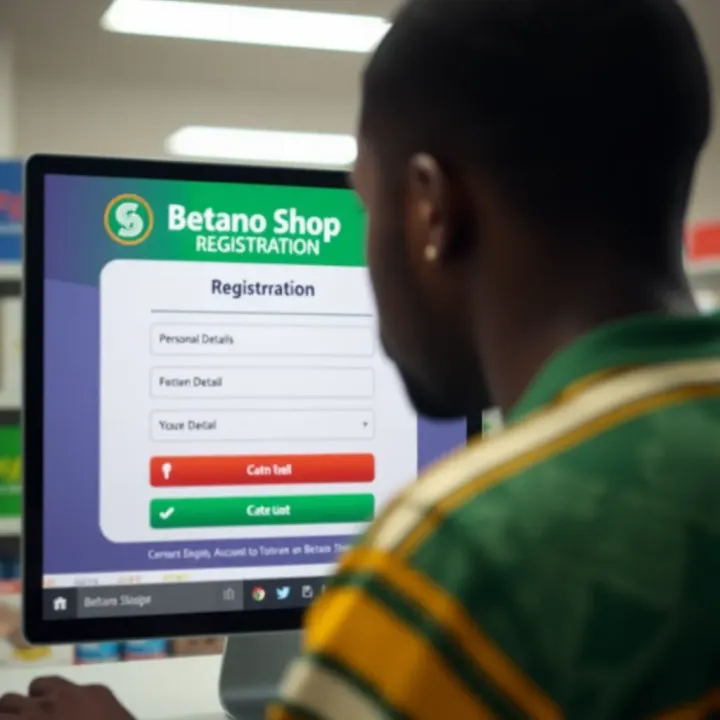
🎯 Learn how to quickly create your Betano Shop account in Nigeria! Step-by-step guide on registration, verification, deposits ₦, and secure tips for smooth betting.
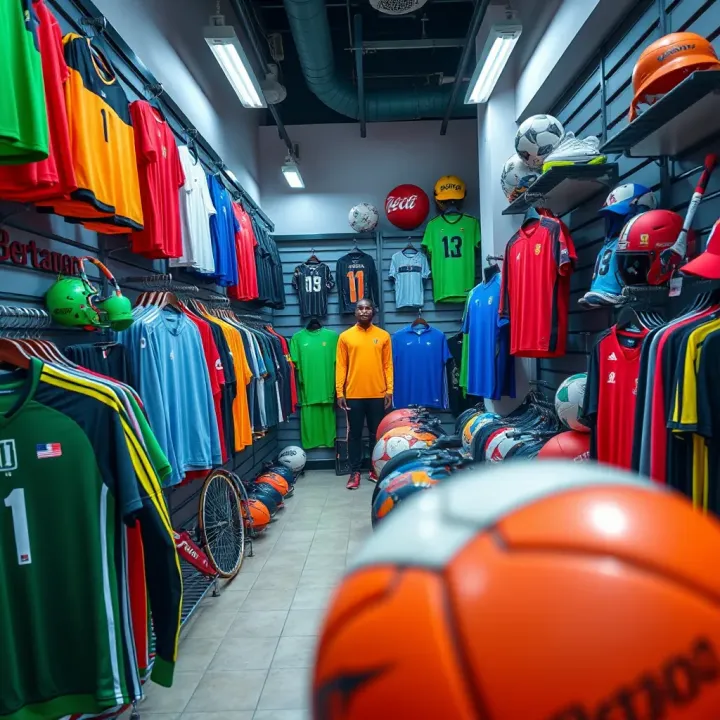
Discover Betano Sport Shop’s top-quality gear and apparel for Nigerian athletes. Get expert tips on pricing, shopping options, and customer service⚽🔥🏀
Based on 15 reviews